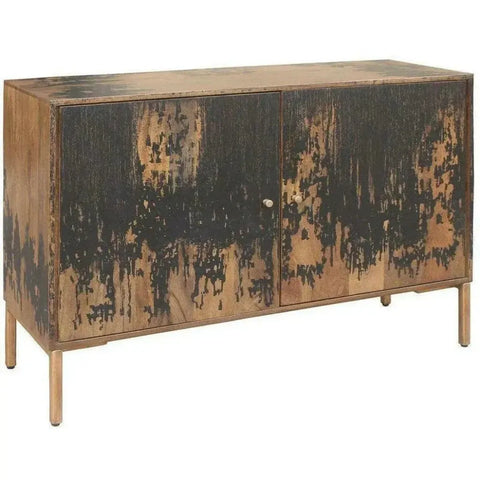
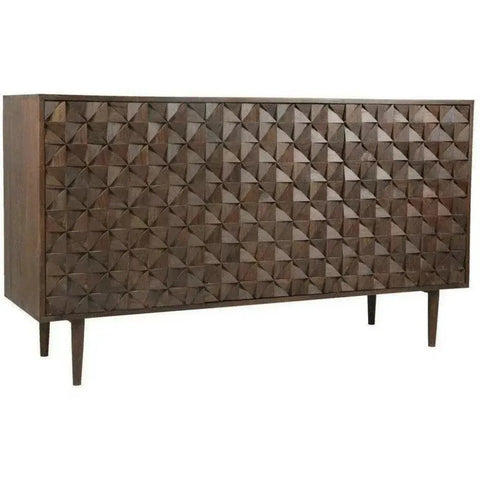
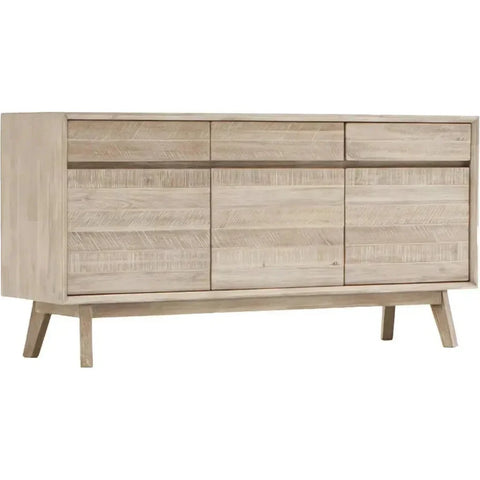
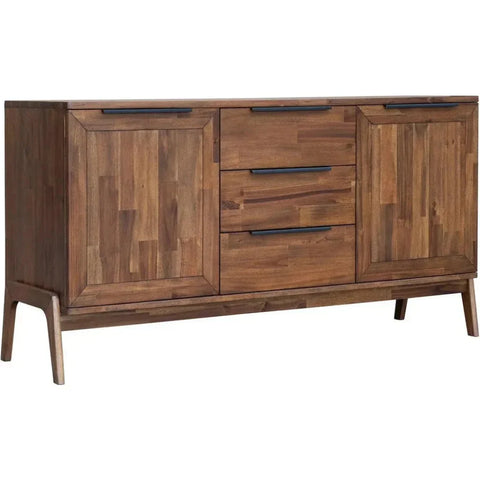
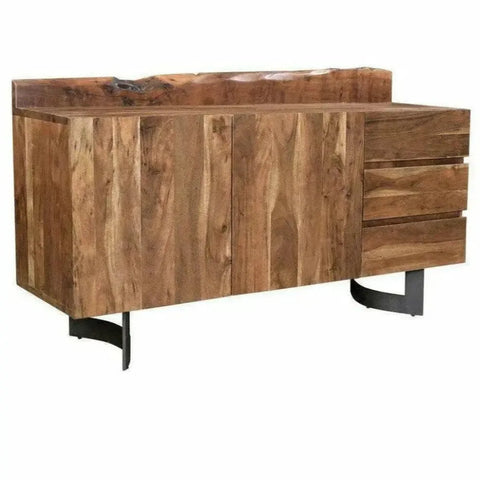
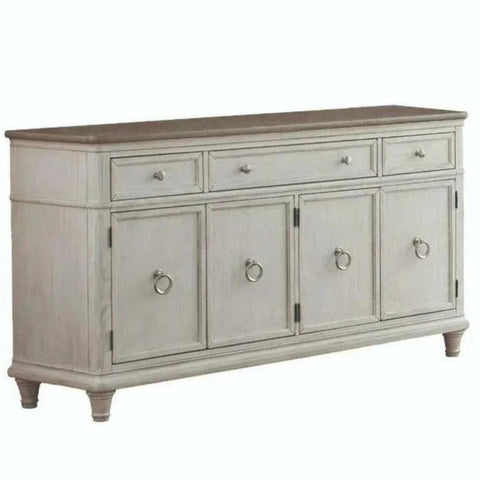
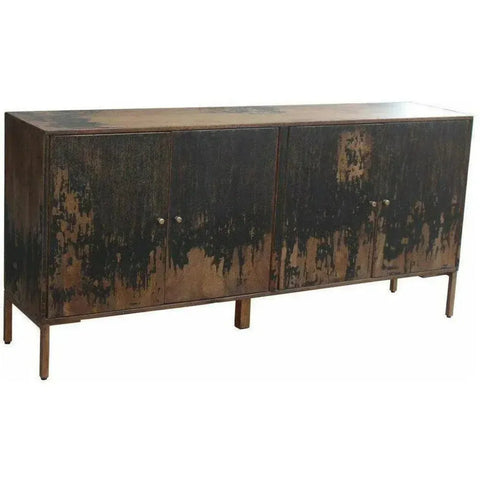
Complete Credenza Sideboard Buying Guide 2026
Credenzas and sideboards serve as the elegant storage foundation of sophisticated dining rooms, providing essential organization while adding style and serving functionality to your entertaining space. Whether you're comparing credenza vs sideboard differences, seeking the best credenza storage solutions, or wondering about sideboard materials and construction quality, selecting the right dining room storage requires understanding how size, storage features, and design elements impact both daily organization and entertaining success.
We'll guide you through professional sizing guidelines for optimal room integration and storage capacity, material comparisons that ensure your credenza or sideboard withstands daily use while maintaining its attractive appearance, and styling strategies that create beautiful, organized dining spaces perfect for family meals and entertaining. By the end, you'll know exactly how to invest in dining room storage that transforms your space into a beautifully organized, stylish room that enhances every meal and gathering for years to come.
Table of Contents
- Credenza vs Sideboard: Understanding the Differences
- Sizing & Placement Guidelines
- Material & Construction Comparison
- Storage Solutions & Organization
- Styling & Design Integration
- Best Credenzas & Sideboards by Budget
- Coordinating with Dining Tables & Chairs
- Featured Collections & Brands
- Frequently Asked Questions
Credenza vs Sideboard: Understanding the Differences
While often used interchangeably, credenzas and sideboards have distinct characteristics that affect their functionality and style in your dining room:
| Feature | Credenza | Sideboard | Best For |
|---|---|---|---|
| Design Origin | Office/modern spaces | Traditional dining rooms | Style preference |
| Proportions | Longer, lower profile | More balanced height/width | Room layout |
| Storage Style | Clean, minimal doors | Drawers + cabinet doors | Organization needs |
| Typical Height | 28-32 inches | 32-36 inches | Serving comfort |
| Style Aesthetic | Modern, contemporary | Traditional, transitional | Room design |
Sizing & Placement Guidelines
Proper sizing ensures your credenza or sideboard integrates beautifully with your dining room while providing adequate storage and serving space:
Width Considerations
- Small Dining Rooms: 48-60 inches wide for compact spaces
- Standard Dining Rooms: 60-72 inches wide for balanced proportions
- Large Dining Rooms: 72-84 inches wide for substantial storage
- Table Coordination: Choose 12-24 inches shorter than your dining table
Height Guidelines
- Serving Comfort: 30-36 inches for easy access during meals
- Visual Balance: Similar height to dining chair backs when seated
- Wall Art Coordination: Leave 6-12 inches above for artwork
Placement Strategy
- Wall Clearance: 36-42 inches from dining table for comfortable access
- Traffic Flow: Avoid high-traffic pathways between rooms
- Electrical Access: Consider outlet placement for lighting or warming trays
Material & Construction Comparison
Understanding materials helps you choose a credenza or sideboard that matches your style preferences and durability needs:
| Material | Durability | Maintenance | Style | Price Range |
|---|---|---|---|---|
| Solid Wood | Excellent | Moderate | Traditional/Modern | $2,500-$3,798+ |
| Engineered Wood | Very Good | Low | Contemporary | $1,950-$2,800 |
| Mixed Materials | Good | Low | Modern/Industrial | $2,200-$3,200 |
| Veneer | Good | Low | Traditional | $1,950-$2,500 |
Storage Solutions & Organization
Effective storage design maximizes your credenza or sideboard's functionality for both daily use and entertaining:
Essential Storage Features
- Adjustable Shelves: Accommodate items of varying heights
- Soft-Close Hinges: Quiet operation and extended hardware life
- Cord Management: Hidden routing for electronics and lighting
- Interior Lighting: LED strips for visibility and ambiance
Organization Strategy
- Daily Items: Store frequently used serving pieces at eye level
- Seasonal Storage: Place holiday items on higher or lower shelves
- Drawer Organization: Use dividers for linens and small serving pieces
- Display Areas: Reserve top surface for decorative and functional items
Styling & Design Integration
Thoughtful styling transforms your credenza or sideboard into a beautiful focal point that enhances your dining room's aesthetic:
Surface Styling Principles
- Rule of Thirds: Divide surface into three sections for visual balance
- Height Variation: Mix tall lamps, medium artwork, and low decorative objects
- Functional Beauty: Include serving pieces that are both useful and attractive
- Breathing Room: Keep 30-40% of surface clear for serving during meals
Lighting Integration
- Table Lamps: Provide ambient lighting and visual anchors
- Accent Lighting: Highlight artwork or decorative objects
- Interior Lighting: Illuminate stored items and create warmth
Best Credenzas & Sideboards by Budget
Essential Level: $1,950-$2,500
Best for: Daily dining and basic entertaining needs
- Solid construction with engineered wood or veneer
- Basic storage with adjustable shelves
- Clean, functional design
- Standard hardware and finishes
Premium Level: $2,500-$3,200
Best for: Regular entertaining and enhanced storage
- Mixed materials with solid wood elements
- Soft-close hinges and quality hardware
- Enhanced design details and finishes
- Improved storage organization features
Investment Level: $3,200-$3,798+
Best for: Frequent entertaining and luxury aesthetics
- Premium solid wood construction
- Custom-quality hardware and finishes
- Advanced storage features and lighting
- Exceptional design and craftsmanship
Coordinating with Dining Tables & Chairs
Creating harmony between your credenza or sideboard and existing dining furniture enhances your room's overall design:
Style Coordination
- Complementary Woods: Choose similar but not identical wood tones
- Design Harmony: Match modern with modern, traditional with traditional
- Hardware Consistency: Coordinate metal finishes across pieces
- Proportional Balance: Ensure scale works with your dining table size
Consider how your credenza will work with your dining chairs and dining benches to create a cohesive, functional dining space.
Featured Collections & Brands
Mercana: Offers exceptional credenzas and sideboards with handcrafted details and premium materials. Their collections feature solid wood construction with sophisticated finishes perfect for both traditional and contemporary dining rooms.
Panama Jack: Specializes in coastal and tropical-inspired credenzas with natural materials and relaxed elegance. Their pieces bring warmth and character to dining spaces while providing excellent storage solutions.
LOOMLAN Brand: Features unique credenza and sideboard designs handmade from solid wood in India. Each piece showcases exceptional craftsmanship with distinctive details that make beautiful focal points in sophisticated dining rooms.
Explore our complete credenzas and sideboards collection to find the perfect piece for your dining room storage and style needs.