Complete Sectional Sofa Buying Guide 2026 -2027
A sectional sofa can transform your living room into the ultimate gathering space, providing maximum seating while creating natural conversation zones that bring family and friends together. Whether you're considering an L-shaped vs U-shaped sectional, wondering about sectional sofa placement, or comparing modular vs traditional sectionals, choosing the right sectional requires careful consideration of size, configuration, and lifestyle needs.
We'll guide you through sectional sizing rules that prevent overwhelming your space, configuration options that maximize both seating and flow, and material choices that stand up to family life. By the end, you'll know exactly how to choose a sectional that becomes the comfortable, stylish heart of your home.
Table of Contents
Sectional Configurations & Shapes
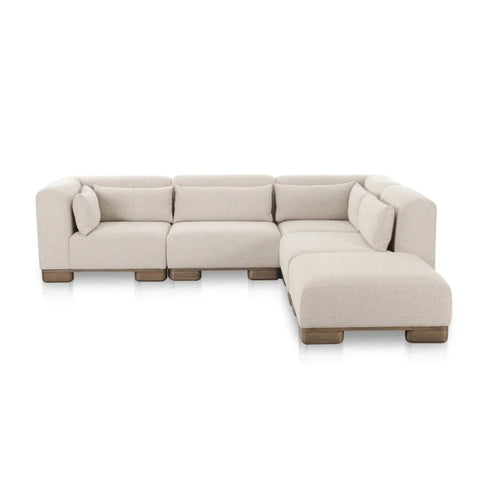
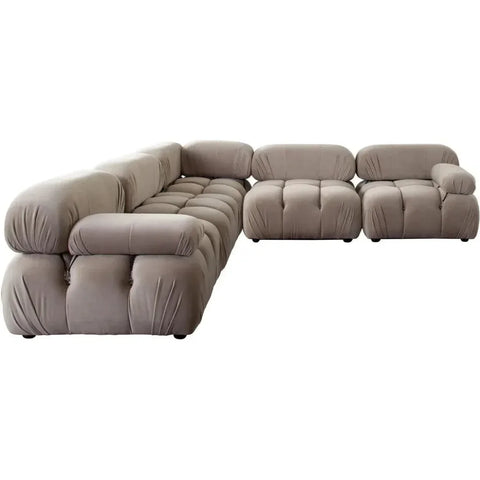
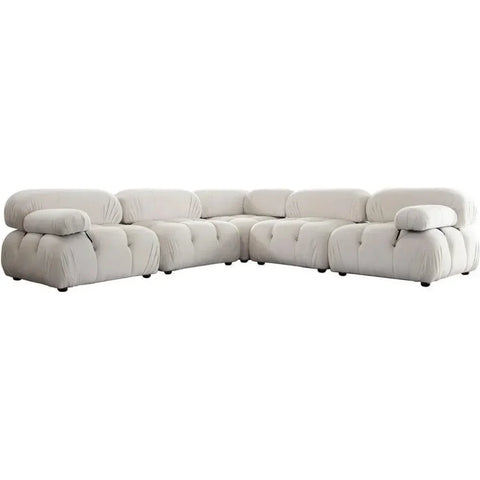
Understanding different sectional configurations helps you choose the shape that best fits your room and lifestyle. Here are the most popular options:
| Configuration | Best For | Seating Capacity | Room Size Needed |
|---|---|---|---|
| L-Shaped | Most living rooms, corners | 4-6 people | 12x12 feet minimum |
| U-Shaped | Large rooms, entertaining | 6-8 people | 15x15 feet minimum |
| Chaise Sectional | Relaxation, movie watching | 3-5 people | 10x14 feet minimum |
| Curved/Circular | Conversation, unique spaces | 5-7 people | 14x14 feet minimum |
| Modular | Flexible arrangements | Varies by pieces | Depends on configuration |
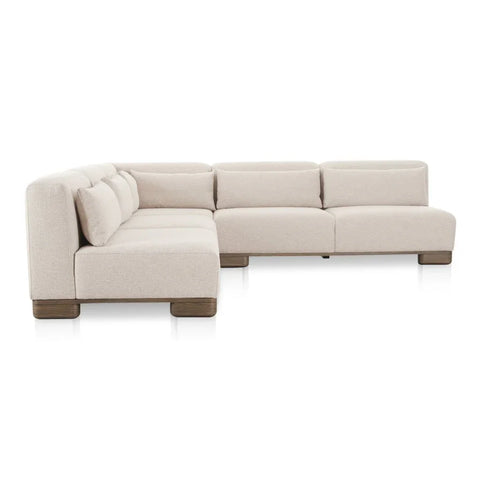
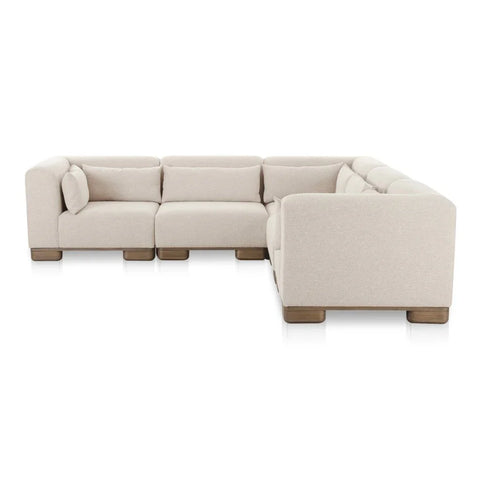
L-Shaped Sectionals
The most popular and versatile option, L-shaped sectionals fit well in most living rooms and provide excellent seating without overwhelming the space. They work particularly well in corner placements and create natural conversation areas.
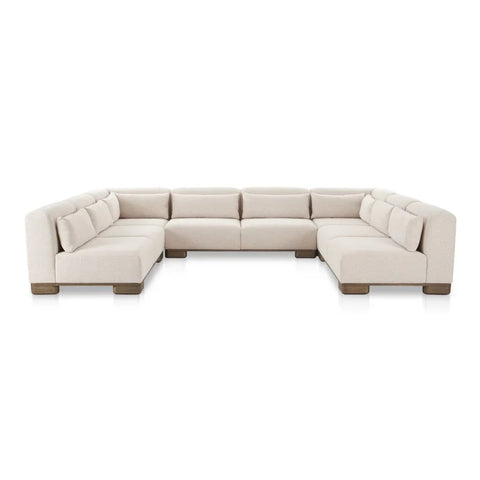
U-Shaped Sectionals
These provide maximum seating and create an intimate conversation pit perfect for entertaining. However, they require large rooms and can make spaces feel closed off if not properly sized.
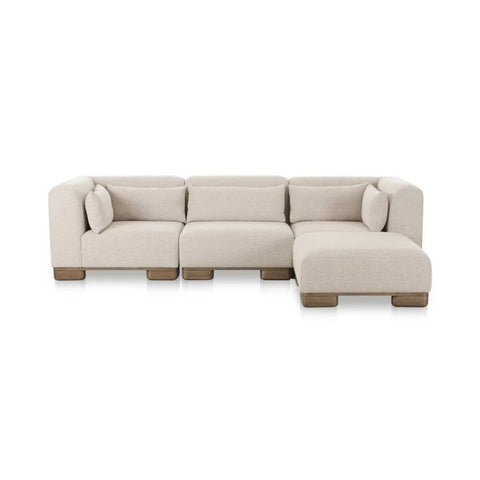
Chaise Sectionals
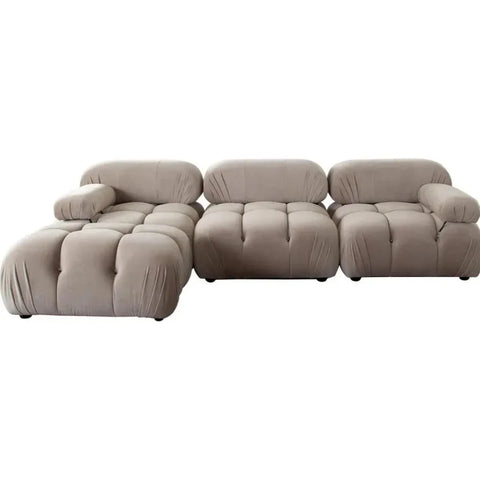
Featuring an extended chaise lounge section, these are perfect for stretching out and relaxing. Choose left or right chaise based on your room layout and traffic patterns.
Modular Sectionals
Individual pieces that can be rearranged as needed, offering ultimate flexibility. Perfect for people who like to change their layout or may move frequently. Browse our modular sectional collection for customizable options.
Sectional Sizing & Room Planning
Getting the size right is crucial for both functionality and visual balance. Here are the key measurements and planning guidelines:
Standard Sectional Dimensions
| Sectional Type | Length Range | Depth Range | Minimum Room Size |
|---|---|---|---|
| Compact L-Shaped | 95-110" | 95-110" | 12x12 feet |
| Standard L-Shaped | 110-130" | 110-130" | 14x14 feet |
| Large L-Shaped | 130-150" | 130-150" | 16x16 feet |
| U-Shaped | 120-180" | 120-150" | 15x18 feet |
The 2/3 Rule
Your sectional should take up no more than 2/3 of your room's length on any wall. This ensures the room doesn't feel overwhelmed and maintains good traffic flow.
Walking Space Requirements
Allow at least 3 feet of walking space around your sectional. For high-traffic areas, 4 feet is even better. This ensures comfortable movement and prevents the room from feeling cramped.
Coffee Table Distance
Place your coffee table 16-18 inches from the sectional. This provides easy reach while allowing comfortable leg room for all seating positions.
Ceiling Height Considerations
In rooms with 8-foot ceilings, choose sectionals with lower backs (under 36 inches) to maintain proportional scale. Higher ceilings can accommodate taller, more dramatic sectional designs.
Placement & Room Layout Guide
Strategic sectional placement can make or break your room's functionality and flow. Here are proven placement strategies:
Corner Placement
The most common and often most effective placement, positioning your L-shaped sectional in a corner maximizes seating while leaving the center of the room open for traffic flow and additional furniture.
Floating Placement
In large rooms, floating your sectional away from walls can create more intimate conversation areas and better define different zones in open floor plans. Ensure adequate walking space behind the sectional.
Room Division
Use sectionals to divide large spaces into distinct areas. A sectional can separate living and dining areas in open floor plans while maintaining visual connection between spaces.
TV Viewing Optimization
Position your sectional so the main seating faces your TV at a comfortable viewing angle. The chaise section should be positioned where it won't block views for other seating areas.
Material & Upholstery Guide
Sectional upholstery needs to withstand heavy use while maintaining comfort and appearance. Here's a comprehensive material comparison:
| Material | Durability | Family-Friendly | Maintenance | LOOMLAN Price Impact |
|---|---|---|---|---|
| Leather | Excellent (20+ years) | Excellent (wipes clean) | Low | Premium (+$1,500-3,000) |
| Performance Fabric | Excellent (stain resistant) | Excellent (washable) | Low | Standard pricing |
| Microfiber | Good (pet-friendly) | Very Good | Low (machine washable) | Budget-friendly |
| Linen/Cotton | Good (natural comfort) | Fair (stains easily) | Medium | Mid-range |
| Velvet | Good (luxury feel) | Fair (shows wear) | High | Premium (+$800-1,500) |
Leather Sectionals
Leather offers unmatched durability and becomes more beautiful with age. It's ideal for families because spills wipe away easily, and it doesn't trap pet hair or odors. Full-grain leather is the highest quality option.
Performance Fabrics
Modern performance fabrics resist stains, fading, and wear while maintaining the soft feel of traditional fabrics. They're perfect for busy families and often come with warranties against staining.
Color Considerations
Darker colors and patterns hide wear and stains better than light solids. If you love light colors, choose performance fabrics with stain protection or leather that can be easily cleaned.
Features & Functionality Options
Modern sectionals offer various features that enhance comfort and functionality. Here are the most popular options:
Reclining Sectionals
Power or manual recliners built into sectional seating provide ultimate relaxation. Consider power recliners with USB charging ports for modern convenience.
Storage Sectionals
Hidden storage in chaise sections or under seats provides space for blankets, pillows, and other living room essentials. Perfect for keeping spaces organized and clutter-free.
Sleeper Sectionals
Pull-out beds in sectionals provide guest sleeping space without requiring a separate guest room. Look for memory foam mattresses for guest comfort.
Reversible Chaise
Chaise sections that can be moved to either side offer flexibility for room rearrangements or future moves. This feature adds long-term value and adaptability.
Built-in Tables and Cup Holders
Integrated side tables, cup holders, and charging stations eliminate the need for additional furniture while keeping essentials within reach.
Best Sectionals by Budget
Essential Level ($4,200-$6,500)
Best Overall Value
Quality Construction & Comfort
$4,200-$6,500
Well-constructed sectionals with solid frames, quality cushioning, and durable upholstery. Focus on pieces providing 15-20 years of family use, averaging $210-325 per year of comfortable seating. Perfect for establishing your living room foundation.
Comfort Level ($6,500-$9,000)
Best Quality-to-Price Ratio
Premium Materials & Superior Comfort
$6,500-$9,000
Premium sectionals with superior cushioning, luxury upholstery options, and enhanced features like power recliners or storage. Expect 20-25 years of use, averaging $260-360 per year. The sweet spot for most families.
Luxury Level ($9,000+)
Heirloom Quality
Custom Options & Designer Quality
$9,000-$15,000+
Custom modular systems with premium materials, flexible configurations, and exceptional craftsmanship. These pieces adapt to changing needs while lasting 25-30 years, averaging $300-500 per year. Investment pieces that define your space.
Best Sectionals for Small Living Rooms
Small living rooms can absolutely accommodate sectionals with the right choices. Here are the best options for maximizing seating without overwhelming your space:
Compact L-Shaped Sectionals
Choose sectionals under 100 inches on each side. These provide good seating while leaving room for traffic flow and additional furniture pieces.
Apartment-Size Sectionals
Specifically designed for smaller spaces, these sectionals typically measure 80-95 inches and work well in apartments and condos.
Reversible Chaise Options
Sectionals with moveable chaise sections offer flexibility to adapt to different room layouts or future moves without buying new furniture.
Armless Sectional Pieces
Armless sections take up less visual space and can make small rooms feel more open while still providing comfortable seating.
Featured Sectional Collections & Brands
Premium Sectional Collections
Explore our curated selection of sectional sofas from top furniture brands, each offering unique styles and exceptional quality:
- Moe's Home - Contemporary and transitional sectionals with clean lines, quality construction, and versatile configurations for modern living
- Diamond Sofa - Stylish sectionals featuring innovative designs, premium materials, and attention to comfort and durability
- Olivia + Quinn - Luxury sectionals with sophisticated styling, premium leather options, and exceptional craftsmanship
- Essentials for Living - High-end modular systems with customizable configurations and premium materials for discerning homeowners
Each brand offers different price points and styles, from contemporary modular systems to traditional configurations. Visit our complete sectional collection to see the full range of sizes, materials, and configurations available.