Complete Side Table & End Table Buying Guide 2026-2027
Side tables and end tables serve as the unsung heroes of functional room design, providing essential surfaces for daily convenience while adding style and personality to every space. Whether you're choosing between side table vs end table terminology, comparing side table with storage options, or wondering about the best side tables for small spaces, selecting the right pieces requires understanding how size, placement, and functionality impact both daily convenience and room aesthetics.
We'll guide you through professional sizing guidelines for optimal proportion and reach, material comparisons that help you choose between wood, metal, and glass options, and placement strategies that maximize both function and visual appeal. By the end, you'll know exactly how to invest in side tables that become indispensable elements of your daily living while enhancing your home's style for years to come.
Table of Contents
Side Table Types & Styles
Understanding different side table styles helps you choose the right pieces for your functional needs and design preferences:
| Side Table Type | Key Features | Best For | Space Requirements |
|---|---|---|---|
| Traditional End Table | Rectangular shape, drawer storage, classic proportions | Sofa ends, formal living rooms | 18-24 inches wide |
| Round Side Table | Circular top, no sharp corners, compact footprint | Small spaces, beside chairs | 16-20 inches diameter |
| Nesting Tables | Multiple tables that stack together | Flexible entertaining, small spaces | Varies when separated |
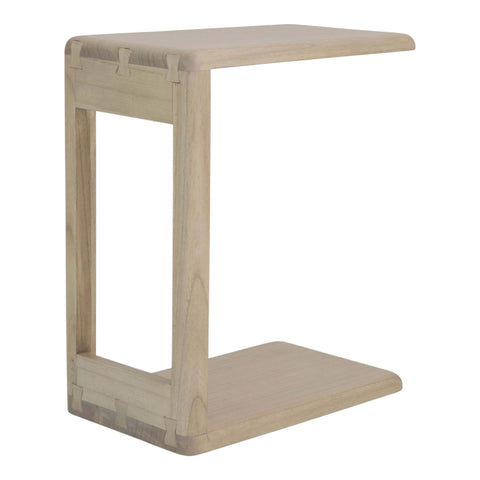
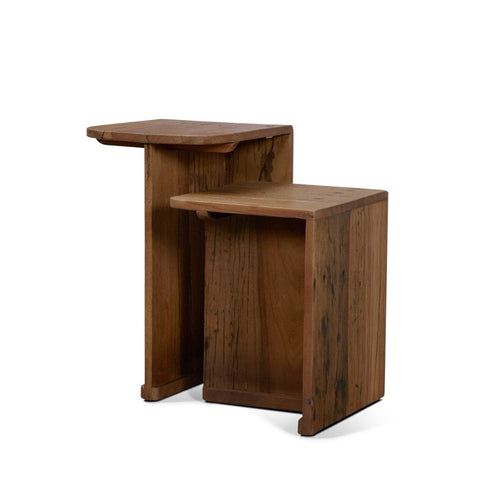
| C-Table | Slides under furniture, cantilever design | Laptop use, tight spaces | Minimal floor footprint |
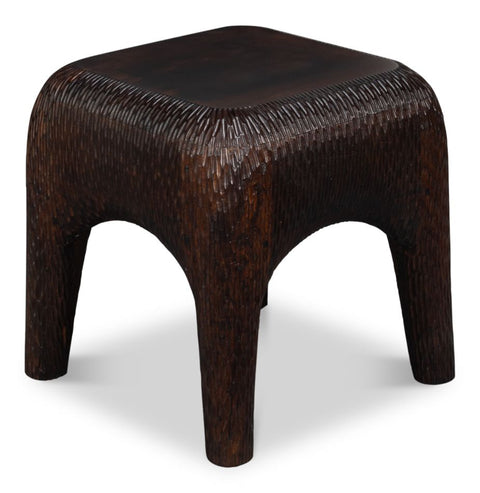
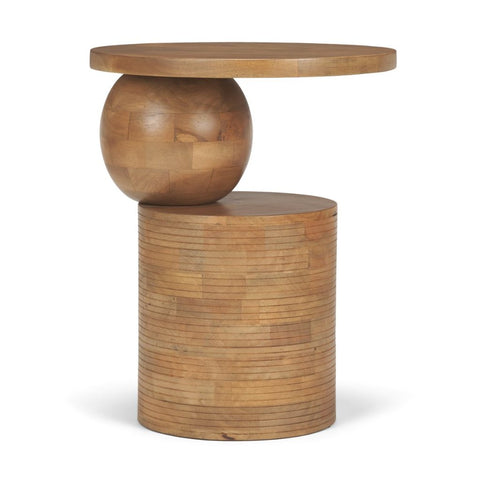
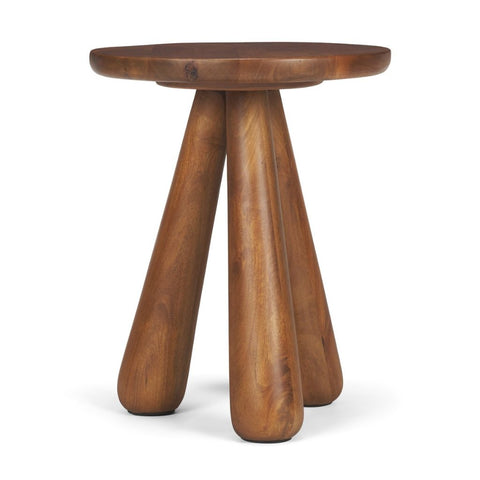
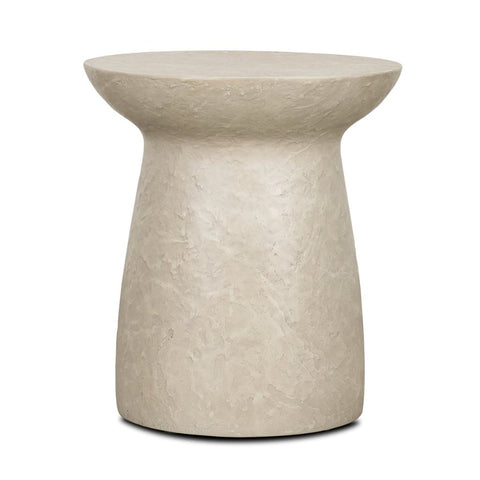
| Accent Table | Decorative design, unique materials | Style statements, conversation pieces | Varies by design |
Traditional End Tables
Traditional end tables feature classic rectangular proportions with drawer storage and timeless styling. These pieces work beautifully at sofa ends and provide reliable storage for remote controls, books, and personal items.
Round Side Tables
Round side tables eliminate sharp corners, making them ideal for small spaces and high-traffic areas. The circular shape promotes better flow around furniture while providing essential surface area for drinks and accessories.
Nesting Tables
Nesting table sets provide ultimate flexibility, allowing you to use multiple surfaces when entertaining and stack them compactly when not needed. Nesting tables are perfect for small spaces that need occasional extra surface area.
C-Tables and Laptop Tables
C-shaped side tables slide under sofas and chairs, bringing surfaces directly to users for laptop work, dining, or reading. These space-efficient designs work well in modern living arrangements.
Accent Tables
Decorative accent tables serve as functional art pieces, featuring unique materials, shapes, or finishes that create visual interest while providing practical surface area. These pieces work well as room focal points.
Sizing & Height Guidelines
Proper side table sizing ensures comfortable reach and proportional appearance in your room:
| Room Use | Recommended Height | Width Guidelines | Functionality |
|---|---|---|---|
| Living Room (Sofa End) | Within 2" of arm height | 18-24 inches wide | Easy reach for drinks, remotes |
| Bedroom (Bedside) | 24-27 inches high | 15-20 inches wide | Lamp, books, phone charging |
| Accent Chair | Match chair arm height | 14-18 inches wide | Reading accessories, beverages |
| Small Spaces | Varies by use | 12-16 inches wide | Maximize function, minimize footprint |
Living Room Height Guidelines
For side table height in living rooms, match the table height to within 2 inches of your sofa arm height. This ensures comfortable reach without awkward stretching or bending during daily use.
Bedroom Side Table Sizing
Bedroom side tables should be 24-27 inches high to work comfortably with standard bed heights. This allows easy access to bedside essentials while maintaining proper proportions with the bed.
Proportional Guidelines by Room Size
| Room Size | Recommended Table Size | Number of Tables | Style Considerations |
|---|---|---|---|
| Small Living Room (10x12 feet) | 14-18 inches wide | 2-3 tables maximum | Round or narrow rectangular |
| Medium Living Room (12x15 feet) | 18-22 inches wide | 3-4 tables | Mix of shapes and sizes |
| Large Living Room (15+ feet) | 20-24 inches wide | 4-6 tables | Substantial pieces, varied heights |
| Open Concept | Varies by zone | Multiple sets | Coordinate across spaces |
Room Placement & Design Tips
Strategic side table placement maximizes both functionality and visual appeal:
Living Room Placement
Position side tables in living rooms at sofa ends, beside accent chairs, and in conversation areas where people naturally reach for drinks or personal items. Ensure 12-18 inches between tables and seating for comfortable access.
Bedroom Side Table Arrangement
Bedroom side table placement should provide easy access to essentials like lamps, phones, books, and water. Position tables close enough to the bed for comfortable reach while lying down, typically 6-12 inches from the mattress edge.
Traffic Flow Considerations
Avoid placing side tables in natural walking paths. Round side tables work better in high-traffic areas as they eliminate sharp corners that can catch clothing or cause injuries during passage.
Visual Balance and Symmetry
Create visual balance by using matching side tables at sofa ends or bedside. For asymmetrical arrangements, balance different table sizes with varying heights or visual weights to maintain room harmony.
Lighting Integration
Coordinate side table placement with table lamps to provide adequate task lighting for reading and activities. Ensure lamp bases are proportional to table sizes and room scale.
Storage Accessibility
Position side tables with storage where their contents will be most useful. Bedside tables should store sleep-related items, while living room tables can hold entertainment accessories and casual dining supplies.
Material & Construction Comparison
Material choice affects durability, maintenance, style, and price:
| Material | Durability | Maintenance | Style Compatibility | LOOMLAN Price Range |
|---|---|---|---|---|
| Solid Wood | Excellent (20+ years) | Medium (periodic refinishing) | Traditional, transitional | $360-$870 |
| Metal | Excellent (rust-resistant finishes) | Low (wipe clean) | Modern, industrial | $318-$605 |
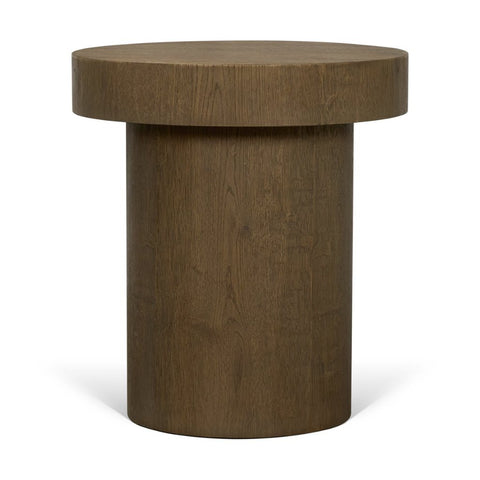
| Wood Veneer | Good (15-20 years) | Low (dust and polish) | Contemporary, transitional | $400-$738 |
| Mixed Materials | Varies by construction | Medium (material-specific care) | Contemporary, eclectic | $445-$670 |
Solid Wood Side Tables
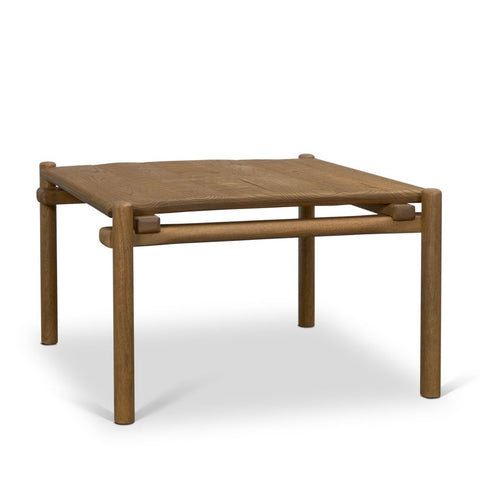
Wooden side tables offer timeless appeal and exceptional durability. Solid wood develops character over time and can be refinished to restore appearance. Popular woods include oak, walnut, and teak for their strength and beautiful grain patterns.
Metal Side Tables
Metal side tables provide modern styling with easy maintenance. Steel, aluminum, and brass options resist wear and clean easily with simple wiping. Metal tables work well in contemporary and industrial design schemes.
Wood Veneer Construction
Veneer side tables combine wood appearance with engineered stability and lower cost. Quality veneers provide beautiful wood grain appearance while resisting warping and splitting that can affect solid wood pieces.
Mixed Material Designs
Contemporary side tables often combine materials like wood and metal, glass and steel, or stone and wood. These pieces create visual interest while offering the benefits of multiple materials in single designs.
Lifestyle Considerations
For families with children, choose materials that resist damage and clean easily. Pet owners benefit from smooth surfaces that don't trap hair. Consider your climate - wood may require more care in humid environments.
Storage Features & Organization
Storage side tables provide valuable organization solutions for every room:
Drawer Storage
Side tables with drawers hide clutter while keeping essentials easily accessible. Look for smooth-operating drawer slides and adequate depth for your storage needs. Soft-close mechanisms prevent slamming and extend hardware life.
Open Shelf Storage
Open shelves provide quick access to frequently used items while displaying decorative objects. This storage style works well for books, magazines, and items you want to keep visible but organized.
Hidden Compartments
Some side tables feature hidden storage compartments behind panels or under lift-tops. These spaces are perfect for valuable items, electronics, or seasonal accessories that need secure storage.
Cable Management
Modern side tables often include cable management features like grommets, channels, or built-in charging stations. These features help organize electronic devices and reduce cord clutter in living areas.
Storage Ideas by Room
- Living Room: Remote controls, coasters, magazines, charging cables, and entertainment accessories
- Bedroom: Books, medications, jewelry, phone chargers, and sleep accessories
- Home Office: Office supplies, documents, electronics, and reference materials
- Entryway: Keys, mail, sunglasses, and daily essentials
Best Side Tables by Budget
Essential Level ($318-$500)
Best Overall Value
Quality Construction & Daily Function
$318-$500
Well-constructed side tables with solid materials, practical storage, and reliable construction. Focus on pieces providing 15-20 years of daily convenience, averaging $16-33 per year of functional service. Perfect for establishing organized, accessible living spaces.
Style Level ($500-$700)
Best Design-to-Price Ratio
Premium Materials & Enhanced Styling
$500-$700
Premium side tables with superior materials, distinctive design elements, and enhanced storage features. Expect 20-25 years of use, averaging $20-35 per year. The sweet spot for homeowners seeking both function and sophisticated style.
Accent Level ($700+)
Designer Quality
Unique Design & Superior Craftsmanship
$700-$1,200+
Designer side tables that serve as functional art pieces, featuring unique materials, exceptional craftsmanship, and distinctive styling. These pieces often appreciate in value while lasting 25+ years, averaging $28-48 per year. Investment pieces that define room character.
Side Tables for Small Spaces
Small spaces benefit greatly from carefully selected side tables that maximize function:
Space-Efficient Designs
Side tables for small spaces should prioritize vertical storage over wide footprints. Choose pieces under 18 inches wide with multiple storage levels or built-in organization features.
Multi-Functional Options
In small spaces, side tables must serve multiple purposes. Look for pieces that combine table surface, storage, and additional functions like charging stations or display areas for maximum value per square foot.
Nesting and Stacking Solutions
Nesting tables provide flexibility in small spaces, allowing you to use multiple surfaces when needed and stack them compactly when not in use. This adaptability is crucial in tight quarters.
Visual Lightness
Choose side tables with open bases, glass tops, or light colors to maintain visual openness in small rooms. Avoid heavy, dark pieces that can make small spaces feel more cramped.
Wall-Mounted Alternatives
Consider wall-mounted side tables or floating shelves that provide surface area without using floor space. These solutions work particularly well in very small bedrooms or tight living areas.
Corner Utilization
Corner side tables make use of often-wasted space while providing essential function. Triangular or curved designs fit naturally into corners without blocking traffic flow.
Featured Side Table Collections & Brands
Premium Side Table Collections
Explore our curated selection of side tables from top furniture brands, each offering unique styles and exceptional quality:
- Palmetto Home - Contemporary side tables with clean lines, quality construction, and versatile styling perfect for modern living spaces
- Mercana - Diverse side table collection featuring wood, metal, and mixed materials with practical storage solutions and attractive design elements
- Noir - Distinctive side tables with artistic flair, premium materials, and unique design elements that create focal points in any room
- SUNPAN - Sophisticated side table designs featuring quality construction, contemporary styling, and attention to functional details
- Essentials for Living - Luxury side tables with premium materials, superior craftsmanship, and innovative storage solutions for discerning homeowners
Each brand offers different price points and styles, from essential functional pieces to designer accent tables. Visit our complete side table collection to see the full range of sizes, materials, and storage configurations available.