Complete Dining Benches Buying Guide 2026-2027
Dining benches transform family meals from rigid seating arrangements into flexible, welcoming gatherings where children can easily join conversations and extra guests always have a place. Whether you're exploring dining bench vs chairs for space efficiency, comparing backless dining bench versus dining bench with back for comfort, or determining the ideal dining bench sizing for your dining table, the right bench creates inclusive dining experiences that adapt to your family's changing needs.
We'll guide you through professional space planning that maximizes seating capacity, comfort considerations that ensure enjoyable family meals, and coordination strategies that blend seamlessly with your existing dining chairs. Complete your flexible dining setup with coordinating dining tables or adaptable extendable dining tables for ultimate entertaining versatility.
Table of Contents
- Dining Bench Advantages: Space & Flexibility
- Bench Styles: Back vs Backless, Storage Options
- Sizing & Proportions: Length, Height, Depth
- Material & Construction Comparison
- Comfort Considerations: Cushions & Ergonomics
- Coordinating with Tables & Chairs
- Placement Strategies & Room Layout
- Best Dining Benches by Budget
- Featured Collections & Brands
- Frequently Asked Questions
Dining Bench Advantages: Space & Flexibility
Dining benches offer unique advantages that make them increasingly popular for modern families:
| Advantage | Benefit | Best For | Consideration |
|---|---|---|---|
| Space Efficiency | Seats more people in less space | Small dining rooms, apartments | Less individual space per person |
| Seating Flexibility | Accommodates varying numbers of people | Families with children, entertaining | May be less comfortable for extended sitting |
| Easy Cleaning | Open space underneath for cleaning | Families with children, pets | Requires regular floor cleaning |
| Cost Efficiency | One bench costs less than multiple chairs | Budget-conscious families | Less individual customization |
| Visual Openness | Creates open, uncluttered appearance | Small spaces, modern design | May lack formal dining appearance |
| Storage Options | Built-in storage for dining accessories | Small spaces, organization needs | Storage access during meals |
Space Efficiency Benefits
Dining bench vs chairs comparison shows benches can seat 20-30% more people in the same linear space. This makes them ideal for small dining rooms, apartments, and families who frequently entertain.
Family-Friendly Features
Benches excel for families with children, allowing easy access without pulling out individual chairs. Children can slide in from either end, and parents can sit closer to help with meals.
Entertaining Flexibility
During parties and gatherings, benches can accommodate extra guests by squeezing in additional people, something impossible with individual chairs.
Design Versatility
Benches work with various design styles, from rustic farmhouse to modern minimalist, and can be easily moved or repurposed for other areas of the home.
Bench Styles: Back vs Backless, Storage Options
Bench style affects both comfort and functionality:
| Style Feature | Advantages | Considerations | Best For |
|---|---|---|---|
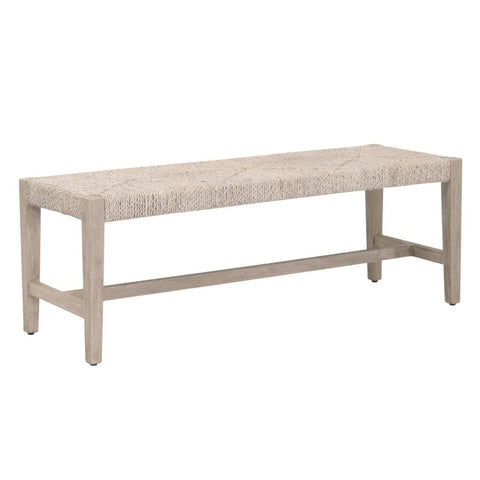
| Backless Dining Bench | Maximum flexibility, easy storage, open feel | Less support for extended sitting | Casual dining, small spaces, families |
| Dining Bench with Back | Comfortable support, formal appearance | Requires more space, less flexible | Formal dining, extended meals, elderly users |
| Storage Bench | Hidden storage for dining accessories | Access during meals, weight limitations | Small spaces, organization needs |
| Upholstered Bench | Superior comfort, luxury appearance | Higher maintenance, stain concerns | Formal dining, comfort priority |
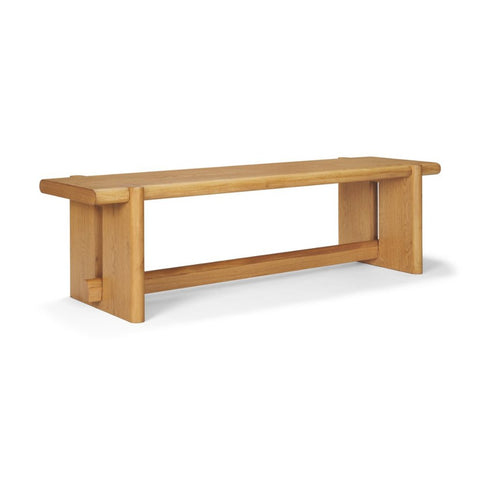
| Wooden Bench | Durability, easy maintenance, timeless style | May need cushions for comfort | Traditional decor, families, durability |
| Metal Frame Bench | Modern styling, easy cleaning, durability | May be less warm/inviting | Modern decor, easy maintenance |
Backless vs Back Support
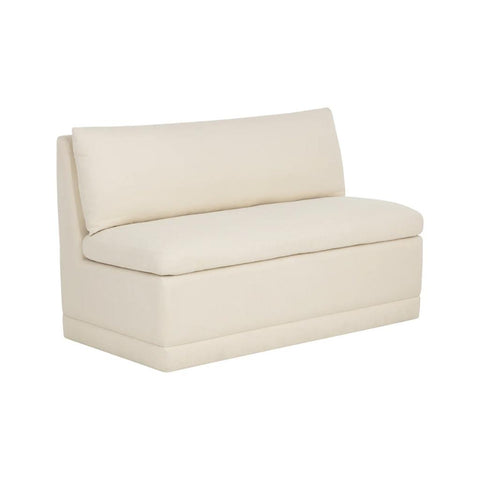
Backless dining bench options offer maximum flexibility and can be stored completely under the table when not in use. Dining bench with back provides more comfort for extended sitting but requires more space and limits placement options.
Storage Integration
Dining bench storage options include lift-top seats, built-in drawers, or open shelving underneath. These features maximize functionality in small spaces but consider accessibility during meals.
Upholstery Choices
Upholstered dining bench options provide superior comfort with cushioned seating and back support. Choose performance fabrics for families or leather for easy cleaning and luxury appeal.
Frame Materials
- Solid Wood: Traditional appeal, excellent durability, refinishing potential
- Metal Frame: Modern styling, easy maintenance, lightweight
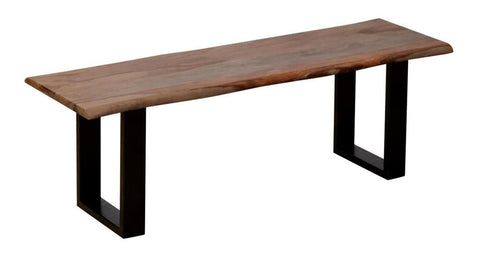
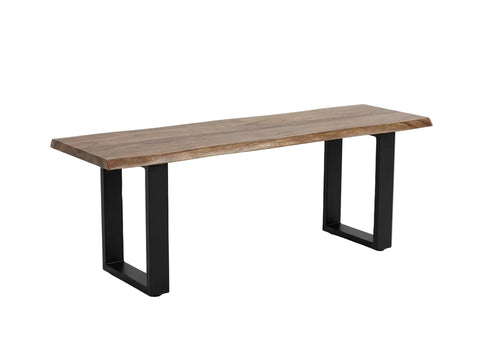
- Combination: Wood seat with metal legs for mixed material appeal
- Reclaimed Wood: Unique character, environmental benefits, rustic charm
Sizing & Proportions: Length, Height, Depth
Proper sizing ensures comfortable coordination with your dining table:
Bench Length Guidelines
Dining bench sizing should be proportional to your table length:
| Table Length | Recommended Bench Length | Seating Capacity | Visual Balance |
|---|---|---|---|
| 48 inches | 36-42 inches | 2-3 people | Proportional, not overwhelming |
| 60 inches | 48-54 inches | 3-4 people | Balanced appearance |
| 72 inches | 60-66 inches | 4-5 people | Harmonious proportions |
| 84 inches | 72-78 inches | 5-6 people | Substantial but proportional |
Height Coordination
Bench height should coordinate with your dining table height:
- Standard Dining: 17-19 inch bench height for 28-30 inch tables
- Counter Height: 24-26 inch bench height for 34-36 inch tables
- Bar Height: 28-30 inch bench height for 40-42 inch tables
Depth Considerations
- Standard Depth: 14-16 inches for comfortable seating
- Narrow Benches: 12-14 inches for space-constrained areas
- Deep Benches: 16-18 inches for enhanced comfort
- Storage Benches: 16-20 inches to accommodate storage mechanisms
Clearance Requirements
- Pull-Out Space: Allow 24-30 inches behind bench for access
- End Access: Ensure at least one end has 18+ inches clearance
- Table Clearance: Maintain 10-12 inches between bench and table edge
- Traffic Flow: Provide 36-42 inches for walking around occupied bench
Seating Capacity Planning
Plan for 18-24 inches of bench length per person for comfortable seating. Benches can accommodate extra guests by reducing individual space to 16-18 inches when needed.
Material & Construction Comparison
Material choice affects durability, comfort, and maintenance requirements:
| Material | Durability | Comfort Level | Maintenance | LOOMLAN Price Range |
|---|---|---|---|---|
| Solid Wood | Excellent (20-25 years) | Good with cushions | Low - periodic care | $558-$1,636 |
| Reclaimed Wood | Excellent (20-25 years) | Good with character | Low - unique patina | $650-$1,636 |
| Upholstered | Very Good (15-20 years) | Excellent comfort | Moderate - regular cleaning | $539-$2,473 |
| Metal Frame | Excellent (25+ years) | Good with cushions | Low - simple cleaning | $539-$1,095 |
Solid Wood Construction
Wooden dining bench options provide superior durability and timeless appeal. Hardwoods like oak, walnut, and maple offer excellent longevity and can be refinished to maintain beauty over decades.
Reclaimed Wood Character
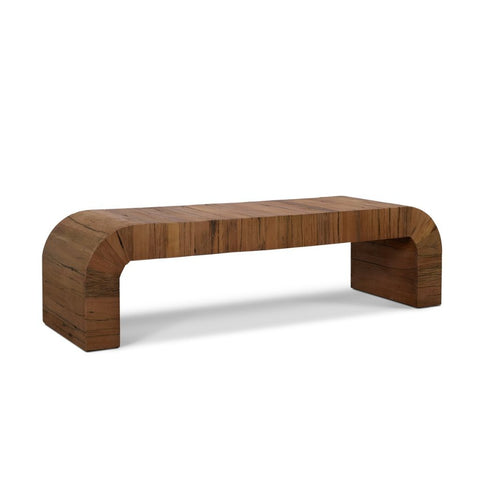
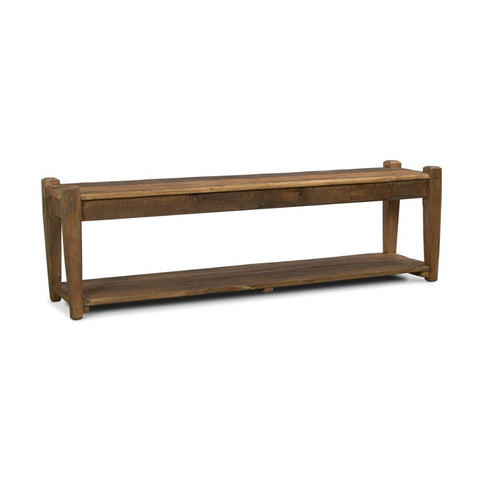
Reclaimed wood benches offer unique character with existing patina and environmental benefits. Each piece has distinctive markings and history that add personality to dining spaces.
Upholstered Comfort
Upholstered dining bench options provide superior comfort for extended sitting. Quality foam cushioning and supportive construction create seating that remains comfortable throughout long family meals.
Construction Quality Indicators
- Joint Construction: Mortise and tenon joints provide superior strength
- Frame Reinforcement: Corner blocks and bracing prevent loosening
- Weight Capacity: Quality benches support 300-500+ pounds
- Finish Quality: Smooth surfaces and even stain application
Maintenance Considerations
Choose materials based on your family's lifestyle. Households with young children might prefer easy-clean materials, while formal dining rooms can accommodate more delicate finishes.
Comfort Considerations: Cushions & Ergonomics
Comfort features determine how long family members will want to linger at meals:
Cushioning Options
| Cushion Type | Comfort Level | Durability | Maintenance | Best For |
|---|---|---|---|---|
| Built-in Upholstery | Excellent | Very Good | Professional cleaning | Formal dining, permanent comfort |
| Removable Cushions | Very Good | Good | Machine washable covers | Families, easy cleaning |
| Bench Pads | Good | Moderate | Easy replacement | Budget-friendly, seasonal changes |
| No Cushioning | Basic | Excellent | Minimal | Casual dining, easy maintenance |
Ergonomic Considerations
While benches offer less individual support than chairs, proper design can enhance comfort:
- Seat Depth: 14-16 inches provides adequate thigh support
- Seat Height: 17-19 inches allows proper leg positioning
- Edge Rounding: Rounded edges prevent pressure points
- Back Support: When included, should support natural spine curve
Comfort Enhancement Strategies
- Cushion Addition: Add removable cushions for enhanced comfort
- Back Pillows: Provide lumbar support with decorative pillows
- Proper Height: Ensure bench height coordinates with table
- Quality Construction: Solid frames prevent wobbling and discomfort
Family Comfort Needs
Consider the needs of all family members. Children may prefer the flexibility of benches, while elderly family members might need the additional support of dining chairs at certain positions.
Coordinating with Tables & Chairs
Create a cohesive dining set that balances function and style:
Mixed Seating Strategies
| Seating Arrangement | Advantages | Best For | Considerations |
|---|---|---|---|
| Bench + Chairs | Flexibility, visual interest, varied comfort | Families, entertaining | Height coordination, style harmony |
| Two Benches | Maximum seating, symmetrical appearance | Large families, casual dining | Access from ends, comfort for all |
| Bench + Captain's Chairs | Formal head seating, flexible sides | Formal dining, mixed needs | Proportional balance |
| Single Bench | Space efficiency, open appearance | Small spaces, minimalist design | Limited seating flexibility |
Table Coordination
Your dining bench should complement your dining table in both style and proportion. Consider the table's material, finish, and design elements when selecting benches.
Height Harmony
Ensure proper height relationships between benches, chairs, and tables. All seating should provide 10-12 inches of leg room for comfortable dining.
Style Coordination
- Material Matching: Coordinate wood tones or metal finishes
- Design Harmony: Match modern with modern, traditional with traditional
- Color Coordination: Ensure upholstery complements overall color scheme
- Proportional Balance: Scale bench size to table proportions
Flexibility with Extendable Tables
If you have an extendable dining table, benches offer excellent flexibility as they can accommodate varying table lengths and additional guests when the table is extended.
Chair Integration
When mixing benches with dining chairs, ensure consistent seat heights and complementary styles for visual harmony and functional coordination.
Placement Strategies & Room Layout
Strategic placement maximizes bench functionality and room flow:
Optimal Placement Options
- Against Wall: Space-efficient but limits access to one side
- Open Sides: Maximum flexibility but requires more room space
- Island Seating: Works well with kitchen islands and casual dining
- Corner Placement: L-shaped benches maximize corner space utilization
Traffic Flow Considerations
Plan bench placement to maintain smooth traffic flow around the dining area:
- Access Routes: Ensure clear paths to bench seating
- Door Clearance: Avoid blocking doorways when bench is occupied
- Kitchen Access: Maintain clear paths to kitchen for serving
- Emergency Egress: Ensure safe exit routes from dining area
Room Size Adaptations
- Small Rooms: Use benches against walls to maximize floor space
- Large Rooms: Float benches away from walls for open feel
- Open Floor Plans: Use benches to define dining zones
- Narrow Spaces: Choose narrow-depth benches for tight areas
Multi-Purpose Considerations
Consider how benches might serve multiple functions in your space:
- Extra Seating: Move to living areas for parties
- Storage Access: Position for easy access to built-in storage
- Room Dividers: Use to separate dining from living areas
- Window Seating: Position near windows for natural light
Best Dining Benches by Budget
Essential Level ($539-$800)
Best Overall Value
Solid Construction & Family Functionality
$539-$800 per bench
Well-constructed dining benches with solid frames and practical design for daily family use. Focus on pieces providing 15-20 years of family meals, averaging $27-40 per year. Perfect for establishing flexible family dining that withstands daily use while maximizing seating capacity.
Premium Level ($800-$1,400)
Best Comfort-to-Style Ratio
Enhanced Materials & Superior Design
$800-$1,400 per bench
Premium dining benches with superior materials, enhanced comfort features, and refined design details. Expect 20-25 years of comfortable dining, averaging $32-56 per year. The sweet spot for homeowners seeking both exceptional functionality and sophisticated dining aesthetics.
Luxury Level ($1,400+)
Investment & Designer Pieces
Premium Materials & Artisan Craftsmanship
$1,400-$2,500+ per bench
Designer dining benches featuring luxury materials, artisan craftsmanship, and sophisticated construction that often appreciates in value. These pieces last 25+ years while defining dining spaces with elegance, averaging $56-100 per year. Investment pieces that become family heirlooms.
Featured Dining Bench Collections & Brands
Premium Dining Bench Collections
Explore our curated selection of dining benches from top furniture brands, each offering unique functionality and exceptional quality:
- Mercana - Comprehensive bench collection featuring solid wood construction, reclaimed materials, and timeless designs that complement any dining space
- LOOMLAN - Signature dining benches with quality craftsmanship, clean lines, and versatile styling for modern family dining
- SUNPAN - Contemporary dining benches featuring premium upholstery, modern styling, and superior comfort for extended dining
- Moe's Home - Distinctive dining benches with unique design elements, quality construction, and flexible functionality
- Currey & Co - Sophisticated dining benches with artisan craftsmanship and distinctive design details
Our dining benches collection spans from essential family seating to luxury comfort pieces, ensuring you'll find the perfect flexible seating solution for your dining needs.
Each piece offers different functionality, material choices, and design aesthetics, from essential family dining to luxury entertaining pieces. Complete your flexible dining space with coordinating dining tables, comfortable dining chairs, or adaptable extendable dining tables for ultimate versatility.