Complete Bar Tables & Counter Tables Buying Guide 2026 -2027
Bar tables and counter tables create elevated dining experiences that transform casual meals into engaging social gatherings, whether you're comparing counter height table versus bar height table options, seeking the best bar tables for entertaining, or wondering about bar table sizing for your specific space. These elevated surfaces encourage conversation and connection while providing space-efficient dining solutions that work beautifully in kitchens, dining rooms, and entertainment areas.
We'll guide you through professional height guidelines that ensure comfortable seating with the right bar stools and counter stools, material comparisons that guarantee stability and longevity for elevated dining, and styling strategies that create sophisticated entertaining spaces. By the end, you'll know exactly how to invest in elevated dining furniture that brings people together for memorable meals and conversations for years to come.
Table of Contents
- Understanding Table Heights: Counter vs Bar vs Pub
- Sizing & Seating Guidelines
- Material & Construction Comparison
- Table Shapes & Space Planning
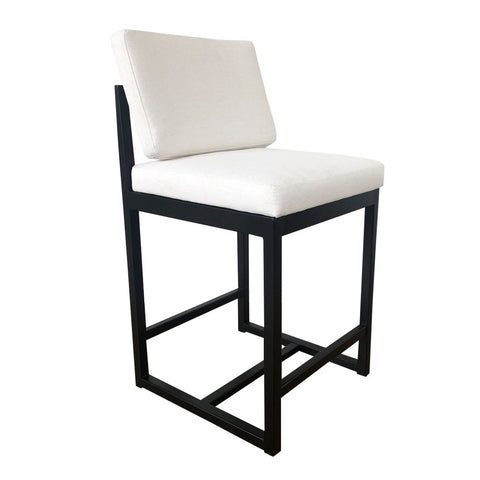
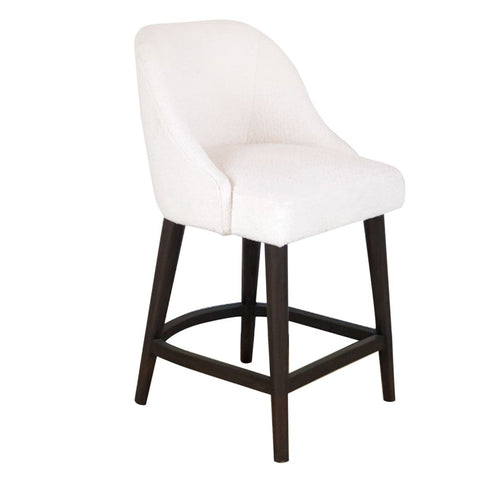
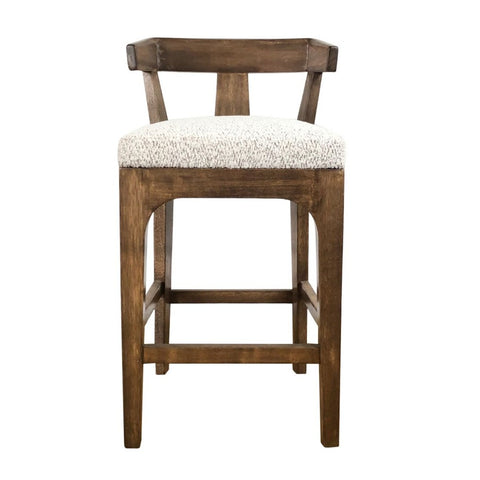
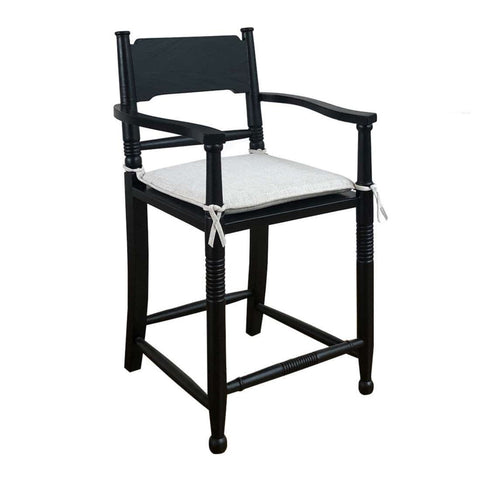
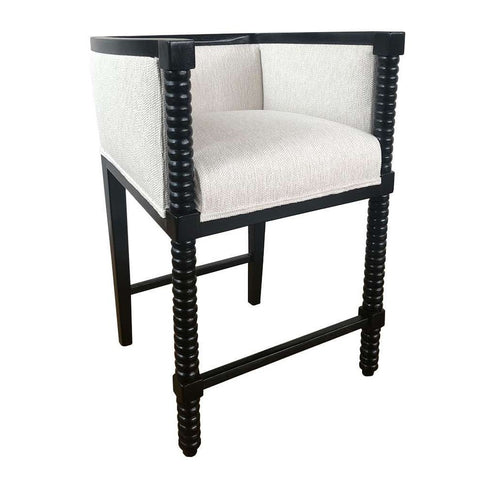
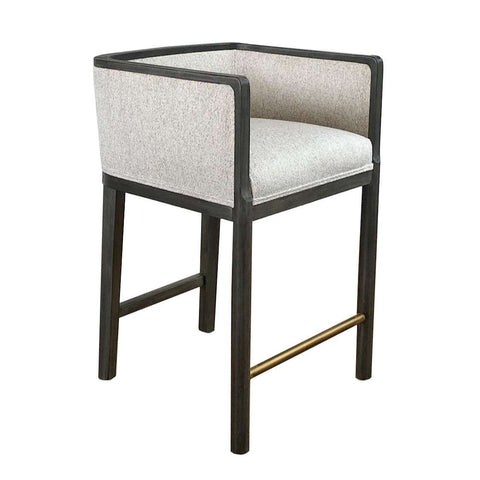
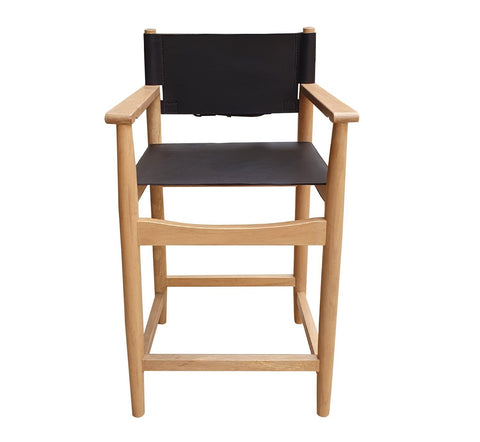
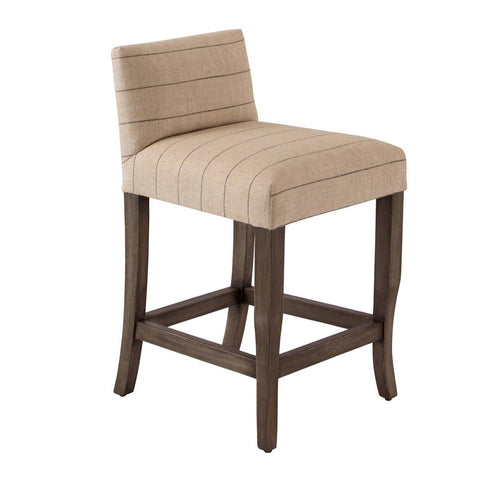
- Coordinating with Bar Stools & Counter Stools
- Best Bar Tables by Budget
- Placement & Room Integration
- Featured Collections & Brands
- Frequently Asked Questions
Understanding Table Heights: Counter vs Bar vs Pub
Choosing the right table height affects comfort, style, and seating compatibility:
| Table Type | Height Range | Stool Height Needed | Best For |
|---|---|---|---|
| Counter Height | 34-36 inches | 24-26 inch counter stools | Families, casual dining, kitchen islands |
| Bar Height | 40-42 inches | 28-30 inch bar stools | Entertaining, sophisticated dining, small spaces |
| Pub Height | 36-40 inches | 26-28 inch stools (flexible) | Versatile dining, transitional spaces |
| Standard Dining | 28-30 inches | 18-20 inch chairs | Traditional dining, formal meals |
Counter Height Tables (34-36 inches)
Counter height tables match standard kitchen counter heights, creating seamless integration with existing cabinetry. These tables feel accessible and comfortable for daily use while providing elevated dining that's less formal than traditional arrangements.
Bar Height Tables (40-42 inches)
Bar height tables create dramatic dining experiences with excellent sight lines across rooms. The elevated position encourages standing conversations and creates sophisticated entertaining environments perfect for cocktail parties and casual gatherings.
Pub Height Tables (36-40 inches)
Pub table buying guide considerations include their versatility - falling between counter and bar heights, these tables work with either counter or bar stools depending on your comfort preferences and existing seating.
Height Selection Factors
- Family Considerations: Counter height feels more accessible for children and elderly family members
- Space Efficiency: Bar height creates visual openness in small spaces
- Entertaining Style: Bar height encourages mingling and standing conversations
- Existing Furniture: Match heights with existing kitchen islands or bar areas
Sizing & Seating Guidelines
Proper sizing ensures comfortable seating and optimal space utilization:
| Table Size | Seating Capacity | Space Required | Best For |
|---|---|---|---|
| 30-36 inch Round | 2-3 people | 6x6 feet minimum | Small spaces, couples, breakfast nooks |
| 42-48 inch Round | 4-5 people | 8x8 feet minimum | Standard dining, small families |
| 48-60 inch Rectangular | 4-6 people | 8x10 feet minimum | Families, regular entertaining |
| 60+ inch Rectangular | 6-8 people | 10x12 feet minimum | Large families, frequent entertaining |
Seating Space Requirements
Bar table sizing should allow 24-30 inches of width per person for comfortable seating. This ensures adequate elbow room and comfortable dining experiences without feeling cramped.
Room Clearance Guidelines
Allow 36-42 inches clearance around the table for comfortable movement and stool access. This space accommodates pulling stools out and walking around the table during meals.
Space Planning by Room Size
| Room Size | Recommended Table Size | Seating Capacity | Layout Strategy |
|---|---|---|---|
| Small Kitchen (8x10 feet) | 30-36 inch round | 2-3 people | Corner placement, space-saving |
| Medium Kitchen (10x12 feet) | 42-48 inch round or rectangular | 4-5 people | Island integration, central placement |
| Large Kitchen (12+ feet) | 48-60+ inch rectangular | 6+ people | Zone creation, multiple seating areas |
| Open Floor Plan | Variable sizes, multiple tables | Flexible seating | Space division, activity zones |
Small Space Solutions
Small bar table options maximize dining functionality in compact areas. Round tables typically require less space than rectangular options while providing flexible seating arrangements.
Material & Construction Comparison
Material choice affects stability, durability, and aesthetic appeal for elevated dining:
| Material | Durability | Maintenance | Style Compatibility | LOOMLAN Price Range |
|---|---|---|---|---|
| Solid Wood | Excellent (20+ years) | Moderate - periodic care | Traditional, rustic, transitional | $1,573-$3,087 |
| Marble Top | Excellent (20+ years) | Low - easy cleaning | Luxury, contemporary, classic | $3,035-$4,048 |
| Metal Base | Excellent (20+ years) | Low - simple cleaning | Industrial, modern, contemporary | $1,396-$3,373 |
| Mixed Materials | Very Good (15-20 years) | Low to moderate | Contemporary, eclectic | $2,023-$3,373 |
Solid Wood Construction
Bar table materials like solid wood provide superior stability and timeless appeal. Hardwoods offer the weight and structural integrity necessary for tall tables that could otherwise feel unstable.
Marble and Stone Tops
Marble tops offer luxury aesthetics with practical benefits including easy cleaning, heat resistance, and substantial weight that enhances stability for elevated dining surfaces.
Metal Base Systems
Metal bases provide excellent structural support for tall tables while creating contemporary aesthetics. Steel and iron construction offers superior strength and stability for daily use.
Stability Considerations
- Base Weight: Heavier bases prevent tipping and provide confidence during use
- Base Width: Wider bases offer better stability for tall proportions
- Joint Construction: Reinforced connections handle the leverage created by height
- Top Thickness: Substantial tops contribute to overall stability and durability
Construction Quality Indicators
Look for reinforced base connections, substantial material thickness, and quality finishes that resist daily wear. Well-constructed elevated tables should feel solid and stable during normal use.
Table Shapes & Space Planning
Table shape affects seating capacity, space efficiency, and room flow:
Round Bar Tables
Round bar table designs encourage conversation and work well in smaller spaces. They provide flexible seating arrangements and eliminate sharp corners that could be problematic in tight spaces.
Rectangular Bar Tables
Rectangular bar table options maximize seating capacity and work well against walls or in linear arrangements. They provide defined seating positions and efficient space utilization.
Square Bar Tables
Square tables offer balanced proportions that work well in square rooms or as central focal points. They provide equal access from all sides while maintaining compact footprints.
Shape Selection Guidelines
| Shape | Space Efficiency | Conversation Flow | Best Placement |
|---|---|---|---|
| Round | Good for small spaces | Excellent - equal access | Center of room, corner areas |
| Rectangular | Maximum seating capacity | Good - linear conversation | Against walls, linear arrangements |
| Square | Balanced proportions | Very good - intimate grouping | Central placement, square rooms |
Coordinating with Bar Stools & Counter Stools
Proper stool coordination ensures comfortable dining and cohesive design:
Height Coordination
The relationship between table height and stool height is critical for comfort. Maintain 10-12 inches between the stool seat and table surface for optimal leg room and dining comfort.
Style Coordination
While matching isn't required, coordinating styles creates cohesive design. Consider complementary materials, finishes, and design elements that work harmoniously together.
Stool Selection Guidelines
- Counter Tables (34-36"): Pair with counter stools (24-26") for proper proportions
- Bar Tables (40-42"): Choose bar stools (28-30") for comfortable seating
- Swivel Features: Swivel stools provide easier access and conversation flexibility
- Back Support: Stools with backs offer more comfort for extended dining
Quantity Planning
Plan stool quantities based on regular use rather than maximum capacity. Having 1-2 fewer stools than maximum capacity often provides more comfortable daily dining experiences.
Best Bar Tables by Budget
Essential Level ($1,573-$2,500)
Best Overall Value
Solid Construction & Attractive Design
$1,573-$2,500
Well-constructed bar tables with solid materials, stable bases, and attractive finishes. Focus on pieces providing 15-20 years of elevated dining experiences, averaging $79-167 per year of service. Perfect for establishing stylish casual dining throughout your home.
Premium Level ($2,500-$3,500)
Best Design-to-Durability Ratio
Enhanced Materials & Superior Styling
$2,500-$3,500
Premium bar tables with superior materials, enhanced stability features, and sophisticated design elements. Expect 20-25 years of use, averaging $100-175 per year. The sweet spot for homeowners seeking both exceptional function and refined entertaining aesthetics.
Investment Level ($3,500+)
Luxury Materials & Designer Quality
Heirloom Construction & Statement Design
$3,500-$5,000+
Designer bar tables featuring luxury materials like marble tops, custom-quality construction, and sophisticated engineering. These pieces often appreciate in value while lasting 25+ years, averaging $140-200 per year. Investment pieces that define entertaining spaces with elegance and exceptional functionality.
Placement & Room Integration
Strategic placement maximizes functionality and enhances room design:
Kitchen Integration
Bar table for kitchen placement should complement existing counter heights and work flow. Position tables to create casual dining zones without interfering with cooking activities.
Dining Room Enhancement
Bar table for dining room use creates space-efficient entertaining that feels less formal than traditional dining while maintaining sophisticated aesthetics.
Multi-Purpose Spaces
In open floor plans, bar tables can define dining zones while maintaining visual flow. Their elevated height creates separation without blocking sight lines.
Traffic Flow Considerations
- Clearance Zones: Maintain 36-42 inches around tables for comfortable movement
- Stool Access: Ensure adequate space for pulling stools out and sitting down
- Sight Lines: Position tables to maintain visual connections across spaces
- Activity Zones: Create distinct areas for different activities within larger spaces
Lighting Integration
Plan lighting that accommodates the elevated height of bar tables. Pendant lights work particularly well, providing task lighting while creating intimate dining atmospheres.
Featured Bar Table Collections & Brands
Premium Bar Table Collections
Explore our curated selection of bar tables and counter tables from top furniture brands, each offering unique styles and exceptional quality:
- SUNPAN - Contemporary bar tables featuring marble tops, wood finishes, and metal bases with sophisticated design elements perfect for modern entertaining
- LOOMLAN - Signature counter height tables with quality construction and timeless styling that complements any dining environment
- Diamond Sofa - Modern bar tables with clean lines and luxury finishes including lacquer tops and metal bases
- Furniture Classics - Traditional pub tables with solid wood construction and classic styling for timeless appeal
- Noir - Industrial-inspired bar tables combining metal bases with wood tops for contemporary sophistication
Our bar tables and counter tables collection spans from compact round tables to substantial rectangular pieces, ensuring you'll find the perfect elevated dining solution for your entertaining needs.
Each piece offers different height options and design aesthetics, from essential functional tables to luxury statement pieces. Complete your elevated dining setup with coordinating bar stools and counter stools for a cohesive, comfortable dining experience.